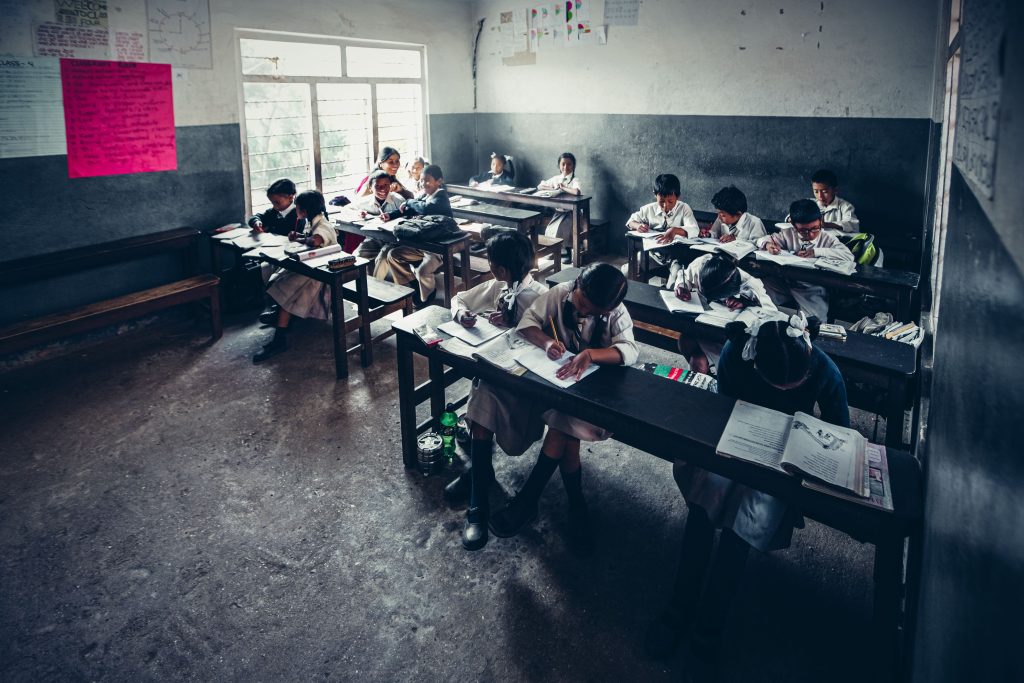
Explore the Government Education System in Villages, including rural schools, education facilities, teachers, challenges, digital learning, and opportunities for students.
Government Education System in Villages: Challenges, Opportunities and the Future of Rural Education
Education is one of the most important foundations for the development of a society. For children living in villages and rural areas, government schools can play a major role in providing access to education, especially for families with limited financial resources.
The Government Education System in Villages is not only about classrooms and textbooks. It is connected with employment, social development, digital literacy, financial independence, healthcare awareness, and the future of rural communities.
Over the years, education facilities in many rural areas have improved. However, village schools can still face challenges related to infrastructure, teacher availability, technology, transportation, learning resources, and access to higher education.
Understanding both the progress and challenges of rural education is important for creating better opportunities for the next generation.
What Is the Government Education System in Villages?
The government education system in villages generally consists of government-supported schools that provide education to children in rural communities.
Depending on the location and level of education, students may attend primary, upper-primary, secondary, or higher-secondary schools. These schools are designed to make education accessible to children regardless of their family’s economic background.
Government schools can be particularly important in villages because private schools may be unavailable or financially difficult for some families to afford.
The education system can include classroom teaching, examinations, educational programs, meals or nutrition support, textbooks and learning materials, scholarships, and other forms of student assistance depending on applicable government programs.
Importance of Government Schools in Rural Areas
Government schools can have a significant impact on village development.
A good school does more than teach academic subjects. It can help children develop communication skills, critical thinking, confidence, digital awareness, and knowledge about the wider world.
For rural families, access to a nearby school can reduce the financial and logistical difficulties associated with sending children to distant locations.
Education can also influence the future of an entire family. A student who receives quality education may eventually enter higher education, obtain professional training, start a business, or find employment outside the village.
In this way, rural education in India can contribute to long-term economic and social development.
Basic Infrastructure in Village Schools
Infrastructure is an important part of educational quality.
A school requires more than classrooms. Students need a safe and suitable environment for learning.
Important facilities can include:
- Safe classrooms
- Clean drinking water
- Toilets and sanitation facilities
- Electricity
- Libraries
- Science laboratories
- Computer facilities
- Internet connectivity
- Sports facilities
- Safe playgrounds
- Proper furniture
- Learning materials
The availability and quality of these facilities can vary considerably between rural locations.
Schools in well-connected villages may have better access to infrastructure and technology, while remote communities can face greater difficulties.
Improving school infrastructure is therefore an important part of strengthening the government education system in villages.
The Role of Teachers in Rural Education
Teachers are at the heart of any education system.
A well-trained and motivated teacher can make a significant difference in a student’s learning experience. In villages, teachers may have an especially important role because schools can become important centers of knowledge and guidance for the wider community.
Teachers do more than explain textbooks. They can encourage students to continue their education, develop confidence, learn new skills, and think about future careers.
However, rural schools can face challenges related to teacher availability, subject specialization, training, transportation, and workload.
Regular professional development and access to modern teaching resources can help teachers provide more effective education.
Challenges Faced by Rural Students
Students in villages can face challenges that are different from those experienced by students in major cities.
One challenge can be distance. Some students may need to travel considerable distances to reach secondary schools or higher educational institutions.
Transportation can become particularly difficult during heavy rainfall, extreme weather, or poor road conditions.
Another challenge is financial pressure. Some families may depend on children to assist with household responsibilities, farming, livestock, or family businesses.
Students may also have limited access to private tutoring, high-speed internet, computers, educational libraries, and specialized learning resources.
These factors can affect learning opportunities and educational outcomes.
Financial Barriers to Education
Education can involve expenses beyond school fees.
Families may need money for transportation, uniforms, stationery, books, internet access, examination expenses, accommodation, and higher education.
For families with limited income, these costs can become significant.
Government-supported education programs, scholarships, free or subsidized learning materials, nutrition programs, and other forms of assistance can help reduce some financial barriers.
However, financial support needs to reach eligible students effectively, and families also need awareness about the opportunities available to them.
Government Support for Rural Education
Government education programs in India aim to improve access, quality, infrastructure, inclusion, and learning outcomes.
Programs and initiatives such as Samagra Shiksha, PM POSHAN, and digital learning initiatives have supported different aspects of school education.
The National Education Policy (NEP) 2020 also emphasizes improving the quality and accessibility of education and developing broader skills among students.
Digital platforms and educational resources can further support students and teachers, particularly when appropriate connectivity and devices are available.
The exact availability of facilities and benefits can vary according to location, school, eligibility, and implementation.
Digital Education in Villages
Technology is changing education around the world, and villages are also becoming part of this transformation.
Smartphones, computers, online classes, educational videos, digital libraries, and learning platforms can provide students with access to educational content beyond their local environment.
A student in a village can potentially learn subjects from teachers and educational platforms located hundreds or thousands of kilometers away.
Digital education can be especially valuable when students do not have access to specialized teachers locally.
However, technology alone cannot solve every educational problem.
Students need reliable internet connectivity, appropriate devices, electricity, digital skills, and guidance from teachers or parents.
Therefore, the goal should be to combine digital education in villages with strong classroom teaching rather than treating technology as a complete replacement for teachers.
Government Schools in Villages vs City Schools
There can be noticeable differences between rural and urban education environments.
City schools may have greater access to specialized teachers, advanced laboratories, coaching centers, libraries, technology, transportation, and extracurricular activities.
Village schools may have advantages such as smaller communities, closer relationships among students and teachers, and a strong connection with the local community.
However, it is important not to assume that every city school is better than every village school. The quality of education depends on many factors, including teachers, leadership, infrastructure, student support, family environment, and available resources.
The real goal should be to ensure that a child’s geographical location does not determine the quality of education they receive.
How Education Can Change Village Life
Quality education can transform rural communities in many ways.
Better Employment Opportunities
Education can help students qualify for professional careers, government jobs, private-sector employment, skilled trades, entrepreneurship, and higher education.
Financial Awareness
Students can learn about banking, savings, digital payments, budgeting, investment, and financial responsibility.
Digital Literacy
Computer and internet skills can help rural students access online education, employment opportunities, government services, and digital businesses.
Health Awareness
Education can improve awareness about hygiene, nutrition, sanitation, healthcare, and healthy lifestyles.
Women’s Education
Educating girls can have a significant influence on families and communities. Education can expand career opportunities, financial independence, decision-making abilities, and awareness of rights and services.
Entrepreneurship
A well-educated student does not necessarily need to leave the village permanently to build a career.
With technology, skills, and access to markets, young people can potentially create businesses related to agriculture, tourism, handicrafts, digital services, e-commerce, education, and other industries.
What Can Improve the Government Education System in Villages?
Improving rural education requires a long-term approach.
1. Better School Infrastructure
Schools need safe classrooms, sanitation, electricity, libraries, laboratories, sports facilities, and appropriate learning environments.
2. Strong Teacher Training
Teachers should have regular opportunities to improve their subject knowledge, teaching methods, digital skills, and understanding of modern educational practices.
3. Better Digital Connectivity
Reliable internet and access to suitable digital devices can expand educational opportunities for rural students.
4. Career Guidance
Students should learn about different career paths instead of believing that only a few traditional careers are available.
Career counseling can introduce students to fields such as technology, healthcare, design, digital marketing, data analysis, engineering, finance, entrepreneurship, and skilled professions.
5. Support for Economically Disadvantaged Students
Scholarships and other support programs can help students continue their education when financial difficulties might otherwise force them to leave school.
6. Stronger Parent and Community Participation
Parents and local communities can contribute by encouraging regular attendance, supporting learning at home, and participating in school development activities.
The Future of Rural Education
The future of village education is closely connected to technology, infrastructure, skills, and employment.
Artificial intelligence, online learning, digital tools, educational applications, and remote teaching could provide rural students with access to new learning opportunities.
At the same time, traditional classroom education will continue to be important. Students need human interaction, practical activities, teamwork, mentorship, and guidance.
The future should therefore combine the strengths of traditional education with modern technology.
Imagine a student living in a remote village learning mathematics from a local teacher while using digital resources for additional practice, attending online career sessions, developing computer skills, and eventually working for a company anywhere in the country or even internationally.
This kind of combination could significantly expand opportunities for rural youth.
Education Should Not Depend on Location
One of the biggest goals of rural education should be equality of opportunity.
A child growing up in a village should be able to dream about becoming a scientist, doctor, engineer, teacher, designer, entrepreneur, writer, programmer, digital marketer, or professional in any other field.
Their location should not limit their ambitions.
Of course, achieving this requires more than building schools. Students need good teachers, reliable infrastructure, technology, financial support, career guidance, family encouragement, and opportunities to apply their knowledge.
Conclusion
The Government Education System in Villages plays an important role in the development of rural communities.
Government schools provide an essential educational foundation for millions of children, but challenges related to infrastructure, teacher availability, technology, transportation, financial conditions, and access to higher education still need continuous attention.
At the same time, the future brings exciting opportunities. Digital education, online learning, better infrastructure, skill development, career guidance, and entrepreneurship can help rural students connect with opportunities beyond their villages.
Education should not simply prepare students to pass examinations. It should prepare them to understand the world, develop useful skills, make informed decisions, build careers, and contribute to their communities.
A strong rural education system can create benefits that extend far beyond the classroom. When children receive better educational opportunities, families and communities can become stronger, more financially independent, and better prepared for the future.
The ultimate goal is simple: whether a child grows up in a village, a small town, or a major city, their location should never decide the size of their dreams.